Prioritizing the Mental Health of Orange County Residents– A Comprehensive Guide by Irvine Psychiatry


Mental health is equally as important as physical health, and they are closely intertwined. Often, we overlook the importance of our mental health and not give it the attention it needs. Many in Orange County struggle with anxiety, depression, PTSD and other mental health disorders but are hesitant to seek help due to stigma or lack of information and frankly, lack of access. At Irvine Psychiatry, we believe in breaking the barriers to mental wellness by offering compassionate, expert care to those in need. It’s just as important to get help for your mental health issues as it is for your high blood pressure or asthma.

Mental health challenges will affect every aspect of life, from relationships and healthy development to school and work to overall well-being. Taking proactive steps toward mental wellness can significantly enhance one's quality of life, improving emotional stability and resilience against stress. This guide explores mental health in Orange County, the services available, and how Irvine Psychiatry can help.

Understanding Mental Health for Orange County

Mental health challenges affect people from all walks of life. It can also present at any stage in life. According to recent reports, nearly one in five adults in Orange County experiences some form of mental illness. Factors like financial stress, work pressure, family expectations, and even stigma contribute to the prevalence of mental health issues. Genetic or family history, past traumas and societal factors such as discrimination or exposure to racism can also play a role.

Despite growing awareness, the stigma surrounding mental health continues to be a major roadblock to seeking help. Many individuals hesitate to reach out due to sense of feeling weak, fear of being judged, cultural misconceptions, or lack of understanding about mental illnesses. Often, our community members don’t know where to turn. However, acknowledging that there’s an issue is the first step toward healing.

Signs You May Need Mental Health Support

Mental health struggles don’t always manifest in obvious ways. Some signs that indicate you

may need professional help include:

  • Emotional Symptoms: Persistent sadness, irritability, excessive worry, or mood swings that affect daily life.
  • Behavioral Symptoms: Social withdrawal, sudden changes in habits, difficulty concentrating, or reckless behavior.
  • Physical Symptoms: Sleep disturbances, changes in appetite, frequent headaches, and unexplained body pain.

Recognizing these signs early can help in seeking timely intervention before mental health issues become severe.

Common Mental Health Disorders in Orange County and Beyond

Anxiety Disorders

Anxiety disorders are among the most common mental health conditions, affecting millions of people. They cause excessive worry, panic attacks, restlessness, and even physical symptoms like rapid heartbeat, chest pain, shortness of breath, and muscle tension. Education, therapy and medications can help manage symptoms effectively.

Depression

Depression is more than just feeling sad—it’s a chronic condition that affects mood, energy levels, and cognitive functioning. It can lead to feelings of hopelessness, loss of interest in activities, and even suicidal thoughts. Proper treatment, including therapy and medication, can help individuals regain control over their emotions.

Bipolar Disorder

This disorder causes extreme mood swings, ranging from manic highs (euphoria, impulsive

behavior) to depressive lows (sadness, loss of motivation). Managing bipolar disorder often

requires a combination of medication, lifestyle changes, and therapy.

PTSD (Post-Traumatic Stress Disorder)

PTSD is triggered by traumatic life events and can result in feeling unsafe, flashbacks, nightmares, severe anxiety, and emotional detachment. It commonly affects veterans, abuse survivors, and individuals who have experienced major accidents or loss. Therapy plays a crucial role in treating PTSD. One may be referred to EMDR therapy as well as prescribed medication.

OCD (Obsessive-Compulsive Disorder)

OCD is a combination of unwanted intrusive thoughts and repetitive, compulsive behaviors that interfere with daily life. People with OCD often struggle with distressing intrusive thoughts and perform rituals (such as excessive handwashing or checking locks) to ease anxiety. Treatment can include exposure therapy, cognitive-behavioral therapy (CBT) and medication.

Why Seek Professional Help?

Seeking professional help is a sign of strength, not weakness. Many people believe they should handle mental health struggles alone, but we were never intended to function in solitude. We build communities to help support each other to thrive. We know that therapy and counseling can provide essential education and coping strategies. Medication, when necessary, can also help balance brain chemistry and improve symptoms and your overall quality of life.

At Irvine Psychiatry, we focus on personalized treatment plans, ensuring each individual

receives the best care for their specific needs. Our mental health professionals guide patients

through their journey with compassion and expertise.

Irvine Psychiatry – Your Trusted Mental Health Partner

At Irvine Psychiatry and TMS, we offer a variety of mental health services, including:

  • Individual Therapy: One-on-one sessions tailored to your unique needs.
  • Medication Management: Expert evaluation and prescription of medications.
  • Holistic Approaches: Mindfulness, lifestyle coaching, and wellness education to support overall mental health.
  • TMS: Treatment option for conditions that do not respond to therapy and medication.
  • Esketamine: in office treatment for a rapid improvement in symptoms.

How to Choose the Right Mental Health Provider?

How to Choose the Right Mental Health Provider?

  • Their credentials and expertise: Ensure they are licensed professionals with relevant experience. There are various types of training available and it’s important to understand the training of the person caring for you.
  • The types of treatment they offer: Find a provider whose methods align with your needs.
  • Insurance and affordability: Check if they accept your insurance or offer flexible payment options.
  • Comfort level and trust: You should feel comfortable discussing your concerns with your therapist or psychiatrist.

Mental Health Resources in Orange County

If you or a loved one is in crisis, here are some essential resources:

  • Orange County Crisis Prevention Hotline: (877) 727-4747; Available 24/7 for immediate support.
  • NAMI Orange County: (714) 544-8488 -- Offers educational programs and peer support groups. 
  • Mental Health Association of Orange County: (714) 547-7559; Provides therapy, crisis intervention, and advocacy programs.
  • 988: 24 hr suicide prevention lifeline.
  • Mobile Crisis Assessment Team (CAT): (714) 517-6353; Clinicians can be sent to you or someone in crisis for an evaluation and risk assessment.

Self-Care and Mental Wellness Tips

  • Sleep, Exercise and Nutrition: A healthy body contributes to a healthy mind. Regular physical activity, consistent quality sleep and a balanced diet can help stabilize mood and energy levels.
  • Mindfulness and Meditation: Practicing mindfulness and meditation, even a few minutes a day, can reduce stress and improve emotional regulation.
  • Maintaining Healthy Relationships: Strong social connections provide emotional support and reduce feelings of loneliness.

Overcoming the Stigma Around Mental Health

Mental health stigma prevents many from seeking help. By talking openly, educating others,

and seeking support, we can create a healthier community where mental wellness is

prioritized.

How Irvine Psychiatry Can Help You

We are dedicated to providing personalized, compassionate care. Our team of experts offers therapy, medication management, and holistic mental wellness solutions. We take the time to understand your unique needs and craft a treatment plan that works for you. With our years of experience in the community, we are happy to help in your journey of improved mental health.

Conclusion

Your mental health matters. If you or someone you love is struggling, please seek help. Irvine Psychiatry is here to support you every step of the way. Taking the initial step towards better mental healthcare may be difficult. We assure you it will be life-changing, and we are honored to be part of your journey.

SHARE pOST:

RECENT POST:
June 8, 2026
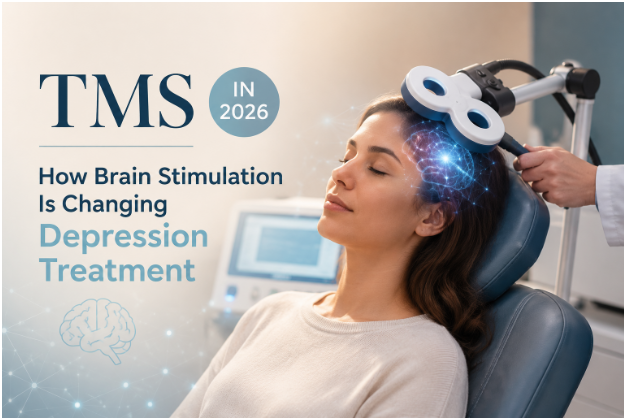
Major Depressive Disorder (MDD) affects millions of people across the United States and worldwide. For many, the path to meaningful improvement can be long, often involving trial-and-error with medications, therapy, or traditional repetitive transcranial magnetic stimulation (rTMS) delivered once daily over several weeks. Now, there is an option that can compress effective treatment into days rather than weeks. MagVenture has received FDA clearance for Accelerated Transcranial Magnetic Stimulation (aTMS), and this development expands the tools Irvine Psychiatry and TMS can offer patients living with MDD. In this article we explain what aTMS is, how it differs from traditional TMS, what a typical treatment course looks like, who may benefit, and how to consider aTMS as part of a comprehensive depression care plan. We’ll also explore the important link between physical pain and emotional pain, because addressing both is the best way to improve outcomes for patients with depression. What is Accelerated TMS (aTMS)? Transcranial magnetic stimulation (TMS) is a noninvasive neuromodulation therapy that uses magnetic pulses to stimulate targeted regions of the brain involved in mood regulation. Conventional TMS protocols typically deliver a single daily session, weekday visits for 4-6 weeks using either high-frequency repetitive TMS (rTMS) or intermittent theta burst stimulation (iTBS). Accelerated TMS applies the same FDA-cleared TMS protocols but compresses treatment by delivering multiple sessions per day across a shorter overall timeframe. Rather than spreading treatment across several weeks, aTMS organizes sessions into a treatment window that usually lasts 5-15 days, depending on the protocol and clinical plan. The goal is the same, normalize dysfunctional circuits associated with depression, but with faster delivery of cumulative stimulation. How accelerated protocols work in practice The new FDA clearance supports a flexible approach clinicians can tailor to a patient’s needs. Typical elements include: Multiple sessions per day: Treatment regimens range from 2 to 10 sessions daily, allowing clinicians to achieve the required dose more quickly. Pulses per session: Each session usually delivers between 600 and 1,800 pulses. Pulses are the individual magnetic stimulations that modulate neural activity. Inter-session intervals: Sessions are separated by 15-50 minutes to allow short recovery windows between stimulations. Overall schedule: The condensed course typically spans 5–15 days, compared with 4-6 weeks for standard daily TMS. Protocol compatibility: aTMS uses the same FDA-cleared rTMS and iTBS protocols already proven effective for MDD. Navigation options: aTMS can be done with or without MRI-guided neuronavigation depending on clinical preference and available equipment. Why accelerate treatment? There are several advantages to accelerated delivery: Speed of symptom relief: For many patients, faster symptom reduction is a critical clinical and practical benefit. In acute situations such as severe depression with suicidal thoughts or marked functional decline a faster-acting therapy can be lifesaving. Reduced burden of time: Condensing treatment into days reduces the duration of repeated clinic visits over months, which can be a major barrier for people with busy schedules, caregiving responsibilities, or transportation challenges. Improved adherence: Shorter overall treatment windows can increase the likelihood patients complete the recommended course, which supports better outcomes. Rapid response for nonresponders: aTMS may be advantageous for patients who have not responded to medication trials or who need quicker evaluation of a neuromodulation strategy. Who is a candidate for aTMS? aTMS is intended for adults diagnosed with Major Depressive Disorder who are appropriate candidates for TMS. Potential candidates include: People with moderate-to-severe depression who did not achieve adequate response with antidepressant medications or psychotherapy. Individuals who need a faster approach due to symptom severity or life circumstances. Patients who prefer a short, intensive course rather than daily visits for several weeks. As with all medical treatments, candidacy is determined through a comprehensive clinical assessment that considers medical history, psychiatric comorbidities, seizure risk, presence of metal implants, and concurrent medications. At Irvine Psychiatry, we follow evidence-based screening protocols to ensure safety and maximize likelihood of benefit. Efficacy and safety: what the evidence shows The same stimulation protocols used in aTMS (rTMS, iTBS) have robust evidence supporting their use in MDD. Accelerated protocols are an emerging area of research: studies and clinical experience indicate many patients can achieve meaningful symptom relief faster when aTMS is used, though response varies by individual. The FDA clearance reflects that manufacturers have demonstrated aTMS delivery is safe when performed under specified conditions. Common side effects mirror those of standard TMS: mild scalp discomfort or headache during or after treatment, transient fatigue, and rare risk of seizure (low but present). Clinicians minimize risk by adhering to safety guidelines, choosing appropriate stimulation parameters, and monitoring patients closely during sessions. What to expect during aTMS at Irvine Psychiatry and TMS If you are referred for aTMS, here’s a typical patient journey: Consultation and evaluation: You come into the clinic for a full evaluation. Dr. Creighton reviews your psychiatric history, medication profile, and potential contraindications to TMS. Individualized treatment plan: Based on your clinical presentation, we select rTMS or iTBS protocol, number of daily sessions, pulse counts, and overall schedule. Orientation session: You’ll meet the treatment team, learn what to expect, and undergo baseline assessments of mood and functioning. Treatment days: Sessions last 20-40 minutes each depending on protocol. Breaks of 15-50 minutes occur between sessions. Patients relax in a comfortable chair during treatment and are observed by staff. Monitoring and follow-up: Mood, side effects, and functioning are assessed throughout and after the course to guide ongoing care. Integrating aTMS into comprehensive care aTMS is most effective when integrated into a broader treatment strategy that can include psychotherapy, medication management, lifestyle interventions, and supports for sleep, nutrition, and activity. Rapid improvements from aTMS can create a window in which psychotherapy and behavioral changes become more feasible and effective. Addressing cost and access Insurance coverage for TMS (including aTMS) differs across plans and is evolving. Some payers cover FDA-cleared TMS for treatment-resistant depression under specific criteria. Our administrative team at Irvine Psychiatry and TMS can assist patients with benefits verification, prior authorization where needed, and exploring financing options. When to consider immediate care If you or someone you care about is experiencing active suicidal ideation, severe psychomotor slowing, inability to perform basic self-care, or other signs of a psychiatric emergency, please seek immediate help: call local emergency services or the nearest emergency department.  Accelerated TMS may be part of urgent treatment planning for some patients, but emergency-level care should be the first step when risk is imminent.
May 29, 2026
Have you ever felt like you’ve tried everything to manage your mental health but still couldn’t find lasting relief? If so, you're not alone. Transcranial Magnetic Stimulation (TMS) therapy might be the game-changer you’ve been looking for. This innovative, non-invasive treatment has helped countless individuals experience long-term relief from depression, anxiety, and more. But what exactly makes TMS so powerful? Let’s dive in and see what the studies have to say. How TMS Therapy Works The Science Behind TMS TMS therapy uses magnetic pulses to stimulate specific areas of the brain linked to mood regulation. Think of it like a reset for your computer but for your brain. The repetitive stimulation encourages neural activity in areas that are known to be underactive in people with depression. How It Rewires the Brain One of the coolest things about TMS is its ability to promote neuroplasticity, which is the brain’s ability to form new connections. Over time, this rewiring can lead to more stable and positive moods. Proven Benefits of TMS Therapy Effective for Treatment-Resistant Depression If traditional treatments haven’t worked for you, TMS could be a beacon of hope. Studies show that TMS therapy is highly effective for people with treatment-resistant depression, offering significant symptom relief where medications fail. Reducing Anxiety Symptoms While TMS is primarily known for treating depression, it’s also been proven to help reduce anxiety symptoms. By calming overactive brain circuits, it brings a sense of balance to your emotional state. Enhancing Cognitive Function Improved focus and mental clarity are often reported by people undergoing TMS therapy. This is particularly beneficial for those whose depression has affected their ability to think clearly or retain memories. Improving Sleep Patterns Struggling with sleep? TMS therapy can help regulate your sleep-wake cycles, making it easier to get a good night’s rest and wake up feeling refreshed. Sleep is a critical component of stable mood and mental clarity. Long-Term Effects of TMS Therapy Sustained Relief from Depression The effects of TMS therapy aren’t just short-term. Many patients experience lasting relief long after completing their treatment sessions. Clinical studies show that the positive effects can extend for months or even years. Improved Quality of Life Imagine being able to enjoy your favorite activities again without the weight of depression holding you back. TMS therapy doesn’t just improve symptoms, it helps people regain their lives. Neuroplasticity and Brain Health By encouraging neuroplasticity, TMS enhances overall brain health. This means your brain becomes more adaptable and resilient to future stressors. What the Studies Say Key Clinical Studies on TMS Numerous studies highlight the efficacy of TMS. For example, one study found that 60% of participants experienced significant symptom improvement, with 30% achieving full remission. This has been replicated by several studies. Long-Term Success Rates The long-term success rates of TMS are impressive. Follow-up studies reveal that many patients maintain their progress, especially with occasional maintenance sessions. Comparing TMS to Other Treatments Compared to medications, TMS offers fewer side effects and longer-lasting results. Plus, it directly treats the underlying issue that’s leading to depression. Who Can Benefit from TMS Therapy? Ideal Candidates TMS is a great option for adults with treatment-resistant depression. It’s also suitable for those who prefer drug-free alternatives or can’t tolerate medication side effects. Not Just for Depression: Other Conditions TMS Helps TMS isn’t just for depression. It’s been studied and approved to treat conditions like anxiety, OCD, PTSD, and even chronic pain. Side Effects and Safety Common Side Effects TMS therapy is generally well-tolerated. The most common side effects include mild headaches and scalp discomfort, which usually go away after a few sessions. Long-Term Safety Evidence Studies confirm that TMS is safe for long-term use. Unlike medications, it doesn’t come with risks of addiction or serious systemic side effects. TMS Therapy in Practice What to Expect During Treatment A typical TMS session lasts about 20-40 minutes. You’ll sit in a comfortable chair while a technician places a magnetic coil on your head. There’s no downtime you can go right back to your daily activities afterward. Maintenance Sessions Some patients require periodic maintenance sessions to keep their progress on track. These can be scheduled depending on each individual’s specific needs. The Future of TMS Therapy Advances in Technology and Protocols The field of TMS therapy is evolving rapidly. New protocols and more precise targeting methods are making treatments even more effective. Broader Applications in Mental Health Researchers are exploring the use of TMS for a wider range of conditions, including substance use disorders and neurodegenerative diseases. Conclusion TMS therapy is more than just a treatment, it’s a lifeline for those seeking long-term relief from mental health challenges. Whether you’re dealing with depression, anxiety, or another condition, TMS offers hope, backed by solid science and real-world success stories. Reach out to Irvine Psychiatry and TMS to find out if this treatment can help you.
May 8, 2026
When you're struggling with your mental health, the last thing you should have to fight is your own insurance company. But for thousands of Californians, that fight is their reality, and a recent class action lawsuit is highlighting the reasons behind it. In November 2025, four policyholders filed a lawsuit against Blue Shield of California and Magellan Health, alleging that they maintained what's known as a "ghost network" of mental health providers. According to the complaint, the insurance companies published directories listing psychiatrists and therapists who either don't exist, have moved on, or simply don't accept new patients. When real people in real crisis tried to use their coverage, they found nothing on the other end. The lawsuit puts it plainly: "When people in need are unable to find an in-network mental health provider, urgent mental health treatment is often delayed and, at worst, abandoned completely." That sentence should stop you in your tracks. What is a ghost network and why does it matter? A ghost network is an insurance provider directory that looks robust on paper but falls apart the moment a patient tries to access it. You call the first name on the list and get an out-of-service number. You call the second and hear they're not accepting new patients. You call the third and they've never heard of your insurance plan. You are not able to get the services you need from the network that you are covered by. You either give up and don’t get treatment, your symptoms worsen and you end up in emergency care before you can find an in network doctor, or you pay for care out of pocket. Meanwhile, the insurance company benefits. They attract customers with the appearance of comprehensive mental health coverage. They collect high premiums. And they don’t pay out claims because the doctors that would generate those claims don't actually exist in any functional sense. This should be unacceptable to all those involved. The people hurt most by this are not statistics. They are someone's parent, partner, or child. When people need help, and ask for help, they deserve to find help, not to be sent on a wild goose chase that leads to a dead end. This is a mental health access crisis Mental health care is not optional. Conditions like anxiety, depression, OCD, PTSD, and bipolar disorder are medical realities that require real treatment, not a runaround. Delaying care doesn't make these conditions go away. It makes them worse. This ends up costing us in many other ways. For most patients, the window between deciding to seek help and actually getting it is narrow. Every disconnected phone number and every full practice is a door closing on someone who was ready to open one. The downstream consequences, including worsening symptoms, emergency interventions, and hospitalization, cost the system far more than timely outpatient care ever would. And they cost patients something money can't replace. Ghost networks are not a billing technicality. They are a public health issue. And they are illegal. Know your rights as a mental health patient in California If you're covered by a Blue Shield of California policy and encountered barriers finding an in-network mental health provider, you may be part of the class described in this lawsuit. Speaking with a consumer rights or insurance attorney can help you understand your options. More broadly, here is what every patient should know. Your insurance plan is required by law to maintain an accurate, up-to-date provider directory. Under California and federal mental health parity laws, your insurer must provide mental health coverage no more restrictive than coverage for comparable physical health conditions. You have the right to request an out-of-network exception if your insurer cannot connect you with an available in-network provider. You can file a complaint with the California Department of Managed Health Care at dmhc.ca.gov if your insurer fails to provide timely access to mental health care. Don't accept "no available providers" as a final answer. Real psychiatric care in Irvine and Orange County Dr. Roula Creighton established Irvine Psychiatry and TMS to serve this community with genuine, personalized psychiatric care. We are not a name on a list that leads nowhere. We are a functioning practice with over 20 years of experience, a real team, and real availability for patients who need us. We treat a wide range of conditions including depression, anxiety, OCD, PTSD, bipolar disorder, ADHD, eating disorders, and substance use disorders, using evidence-based approaches that include psychotherapy, medication management, TMS therapy, and Spravato. We also offer telehealth appointments for patients who cannot come in person. If you have been bounced around by your insurance network and are still looking for care, we encourage you to reach out. We will work with you to understand your coverage, explore your options, and make sure the process of getting help doesn't become another barrier. We have many out of network contracts with Blue Shield of California to treat patients that are covered by their plans but can’t find someone in network. Mental health treatment should be accessible. At Irvine Psychiatry and TMS, we are committed to making it exactly that. Explore our services and take the first step toward real care in Orange County. See Our Services | Request an Appointment